

Ford F150 vs F150 Lightning: Which Truck is Right for You?
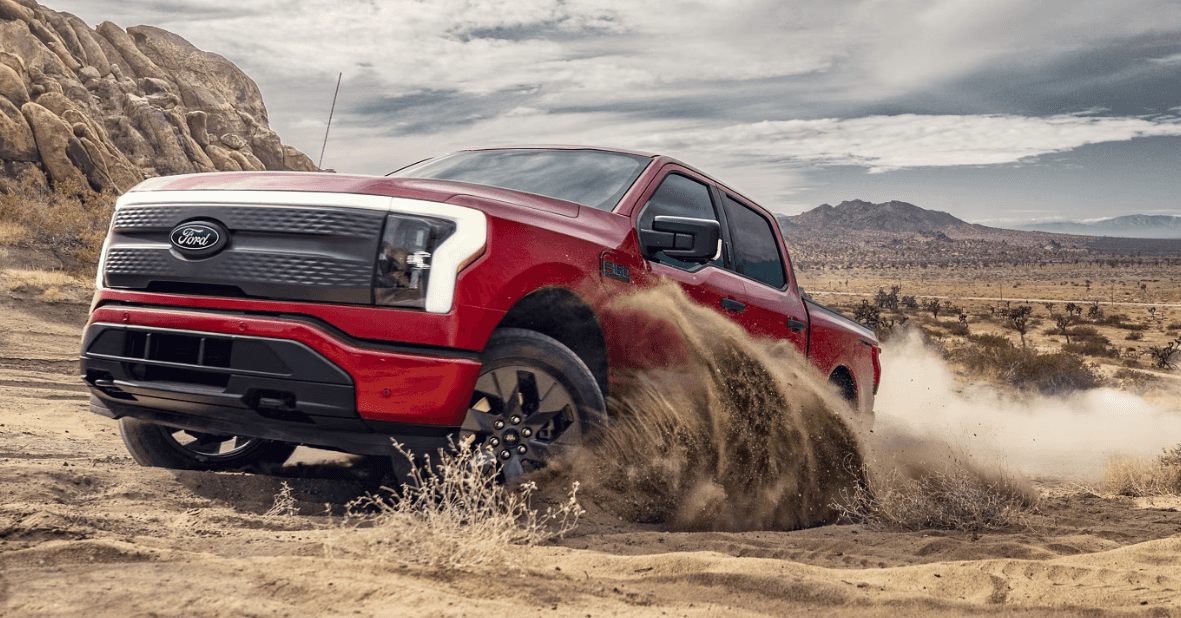
F150 vs F150 Lightning: The traditional F-150 offers proven reliability with gas engines (up to 14,000 lbs towing) starting at $33,000, while the all-electric F-150 Lightning delivers instant torque, zero emissions, and up to 9.6kW of exportable power starting at $55,000. The Lightning saves approximately $9,450 over 5 years in fuel and maintenance costs, making it ideal for daily commuters with home charging, while the gas F-150 suits those needing maximum range and towing capacity.
Ever thought an electric pickup could match America’s favorite truck? Ford made a big change by adding electric power without losing what makes it great.
At Rob Sight Ford in Kansas City, we have both the classic Ford F-150 and the new Ford F-150 Lightning. These trucks offer two choices for today’s buyers. One keeps the trusted legacy of gas power, while the other leads the way in electric transport.
The F-150 has been America’s top truck for years, known for its reliability and new ideas. The Lightning, on the other hand, offers zero emissions and surprising abilities that change how we see electric cars.
Deciding between these trucks depends on what you need. Think about performance, how you drive every day, your fuel choices, and the cost of owning a truck over time.
This guide will help you see the main differences and similarities between these two great trucks. We’ll look at what makes each special and find the best fit for your lifestyle.
The Evolution of America’s Favorite Truck
The history of America’s favorite pickup truck is filled with innovation. For over 40 years, the Ford F-150 has been the top-selling vehicle in the country. It has grown from a simple work truck to a powerful mix of technology and versatility.
This journey shows Ford’s dedication to meeting changing needs. It also highlights the brand’s commitment to its core values. These values have made the F-150 a beloved American icon.
The Legacy of the Ford F-150
First introduced in 1975, the Ford F-150 has set the standard for pickup trucks. It’s known for its durability and capability. Millions of Americans rely on their trucks for work and fun.
In 2015, Ford made a big change by using an aluminum-alloy body. This made the truck lighter and stronger. It also improved fuel efficiency and performance with advanced EcoBoost engine technology.
Today, the F-150 comes with various powerful engines. You can choose from a 3.3L V6, a 2.7L EcoBoost® V6, a 5.0L V8, or a high-output 3.5L EcoBoost® V6. These engines offer the power needed for heavy towing and tough terrain while saving fuel. Check out all available F-150 models to find your perfect match.
Introducing the F-150 Lightning: Ford’s Electric Revolution
The F-150 Lightning is Ford’s biggest step yet. It brings electric power to America’s favorite truck. This vehicle keeps the F-150’s legendary capability while moving towards a zero-emission future.
The Lightning has dual electric motors and comes with standard-range or extended-range battery packs. It offers instant torque and fast acceleration, reaching 60 mph in just 4.0 seconds. It’s not just about speed; it’s about reimagining what a truck can do.
At Rob Sight Ford in Kansas City, we’ve seen the F-150’s evolution. Our showroom now displays both the traditional F-150 and the revolutionary Lightning. This lets our customers see how Ford’s electric vision keeps the truck’s DNA while pushing boundaries.
| Era | Key F-150 Innovations | Powertrain Evolution | Cultural Impact |
|---|---|---|---|
| 1970s-1980s | Introduction of F-150 nameplate, improved comfort features | V8 engines, introduction of fuel injection | Established as a reliable workhorse for American families |
| 1990s-2000s | Enhanced safety features, SuperCrew cab option | Triton V8 engines, first steps toward fuel efficiency | Transition from pure work vehicle to family-friendly truck |
| 2010s | Aluminum-alloy body, SYNC technology | EcoBoost technology, improved fuel economy | America’s bestselling vehicle, symbol of innovation |
| 2020s | F-150 Lightning, Pro Power Onboard | Dual electric motors, zero emissions option | Leading the electric revolution in America’s truck market |
F150 vs F150 Lightning: Key Differences at a Glance
The Ford F150 and the F150 Lightning are two different trucks. They both have the strength and capability of the F-Series. But they offer unique driving experiences. You can see these differences at Rob Sight Ford in Kansas City.
Powertrain and Performance Comparison
The F150 has many engine options. You can choose from a 3.3L V6, a 5.0L V8, or a 3.5L EcoBoost V6. These engines give you 290-450 horsepower and 265-510 lb-ft of torque.
The F150 Lightning is all-electric. It has a dual-motor setup. This gives it 452 horsepower with the standard battery and up to 580 horsepower with the extended-range battery. It goes from 0-60 mph in 4.0 seconds with the extended-range battery.
The Lightning shows electric power doesn’t mean losing capability. It has impressive towing capacity and a smoother ride. It also accelerates quickly when you press the gas.
Exterior Design and Styling Differences
The F150 and F150 Lightning look similar at first. But the Lightning has unique features. Its LED light bar is a standout feature.
The Lightning also has a closed-off grille. This is because it doesn’t need airflow for cooling. Its design helps it go further on electric power while keeping the F150 look.
Interior Features and Technology
Both trucks have comfortable interiors. The F150 offers premium features like massaging seats and a panoramic sunroof. It also has an Interior Work Surface for a workspace.
The Lightning has these comforts too. But it adds electric features. It has a big 15.5-inch touchscreen and enhanced connectivity. It also gets updates over the air.
The Lightning has a big front trunk. It’s 14.1 cubic feet and has power outlets. This is great for tailgating or work needs.
Pricing and Trim Levels
The F150 has many trim levels. Prices start at $33,000 for the XL and go up to over $75,000 for the Limited and Raptor. This means you can find an F150 that fits your needs and budget.
The F150 Lightning is pricier. It starts at $55,000 for the Pro and goes up to $92,000 for the Platinum. But, electric vehicles save money on fuel and maintenance over time.
Both trucks have different incentives. The Lightning might be eligible for federal tax credits. This can lower its price. Our team at Rob Sight Ford can help you understand these incentives and calculate the cost of each model.
Capability and Performance Deep Dive
Looking into the F-150 and Lightning shows big differences in power and performance. Both trucks are F-150s but tackle jobs and daily driving in unique ways. Let’s see how they compare in real-world tests important to Kansas City truck owners.
Towing and Payload Capacities
Both F-150s are great at hard work, thanks to their impressive capabilities. The traditional F-150 leads in towing, reaching up to 14,000 pounds with the right setup.
The F-150 Lightning shows electric power doesn’t mean less capability, with up to 10,000 pounds of towing. Its instant torque makes towing heavy loads easier, a big plus.
For hauling boats or construction materials, both trucks have enough payload capacity. The traditional F-150 can carry up to 3,325 pounds, while the Lightning can handle up to 2,000 pounds plus extra storage in the front trunk.
| Capability | Traditional F-150 | F-150 Lightning | Key Difference |
|---|---|---|---|
| Max Towing Capacity | 14,000 lbs | 10,000 lbs | Traditional F-150 offers higher maximum |
| Max Payload | 3,325 lbs | 2,000 lbs | Traditional F-150 has higher payload rating |
| Torque Delivery | Progressive | Instant | Lightning provides immediate pulling power |
| Additional Storage | Bed only | Bed + Front trunk | Lightning offers versatile storage options |
Acceleration and Driving Experience
The driving experiences of these two trucks are vastly different. The F-150 Lightning accelerates quickly, reaching 60 mph in just 4.0 seconds with the extended-range battery. This is faster than many sports cars, despite being a full-size pickup.
The traditional F-150 also accelerates well, thanks to its 3.5L EcoBoost engine. But it’s known for its progressive power delivery and familiar engine sound, loved by truck fans.
Driving the Lightning is quiet and smooth, while the traditional F-150 offers a commanding presence and engine feedback. At Rob Sight Ford, customers often comment on the Lightning’s surprising quietness and smoothness during test drives.
Off-Road Capabilities
Both trucks are ready for off-road adventures but handle terrain in different ways. The traditional F-150, in Tremor or Raptor forms, brings decades of off-road know-how with specialized systems.
The Lightning takes a fresh approach to off-roading. Its low center of gravity and precise torque control offer great stability and traction in tough conditions.
For those who love off-road adventures in the Ozarks or local parks, both trucks have capable 4×4 systems. The Lightning’s instant torque is a big advantage on steep grades, while the traditional F-150’s mechanical systems are reliable in areas without charging.
Range and Refueling vs. Charging
The biggest difference between these trucks is their power source. The traditional F-150 can be refueled quickly at many gas stations, with a range of up to 700 miles depending on the engine and tank size.
The F-150 Lightning has an EPA-estimated range of up to 320 miles with the extended-range battery, enough for daily driving and weekend trips. Charging takes longer, but home charging means starting each day with a full tank without needing a station.
For longer trips, Kansas City’s DC fast chargers can add up to 54 miles of range in about 10 minutes. The Lightning’s navigation system makes finding charging stations easy, making long trips straightforward for electric truck owners.
The Innovative Pro Power Onboard System
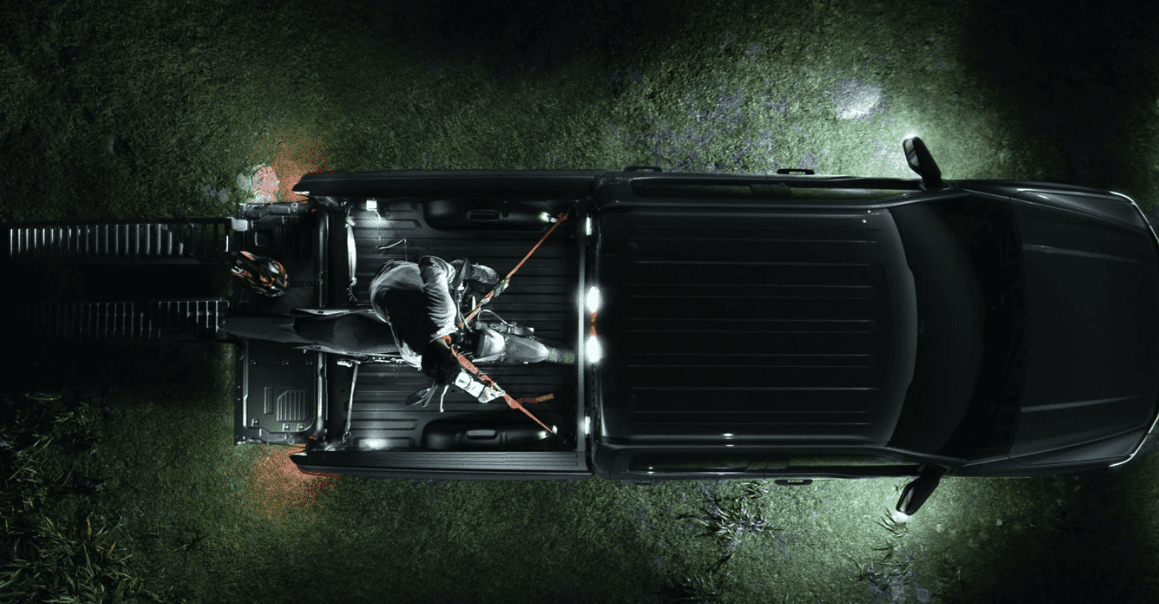
The F-150 Lightning’s Pro Power Onboard system is a game-changer. It turns the truck into a generator, providing up to 9.6 kW of exportable power through various outlets in the bed, cabin, and front trunk.
This system opens up new possibilities for contractors, campers, and homeowners. The Lightning can power an average home for up to three days during emergencies, a valuable feature in Kansas City’s severe weather.
While the traditional F-150 also has a Pro Power Onboard option, the Lightning’s system offers more power, making it a great feature for those needing portable electricity. Both trucks feature advanced safety technologies to protect you and your passengers on every journey.
Ownership Experience and Practical Considerations
When it comes to owning a Ford F-150 or F-150 Lightning, there’s more than just specs to think about. Both trucks are tough, but they offer different experiences. Let’s dive into what it’s like to own them in Kansas City and beyond.
Total Cost of Ownership Analysis
Looking at the total cost of owning these trucks shows some surprises. The F-150 is cheaper to buy, but the Lightning saves money over time.
In Kansas City, the savings are clear. One owner saves $19 a month on charging. Over five years, that’s a lot of money saved.
| 5-Year Ownership Factor | Ford F-150 (EcoBoost) | F-150 Lightning | Potential Savings with Lightning |
|---|---|---|---|
| Initial Purchase (after incentives) | $55,000 | $58,000 | -$3,000 |
| Fuel/Energy (15,000 miles/year) | $13,500 | $3,000 | $10,500 |
| Maintenance | $4,500 | $1,800 | $2,700 |
| Insurance (5 years) | $7,500 | $8,250 | -$750 |
| Total 5-Year Cost | $80,500 | $71,050 | $9,450 |
Many Lightning owners break even on the higher price in 2-3 years. This is thanks to the savings on fuel and maintenance.
Maintenance Requirements and Schedules
The maintenance needs of these trucks are different. The F-150 needs regular oil changes and brake service. The Lightning, with fewer parts, needs less maintenance.
Lightning owners don’t need to worry about oil changes or exhaust repairs. The regenerative braking system also means less brake wear. One owner, with 34,000 miles, only had one issue.
Both trucks can be serviced at Rob Sight Ford. Our technicians are trained for both traditional and electric vehicles. We have the right equipment and knowledge to take care of your truck.
Charging Infrastructure vs. Gas Stations in Kansas City
Kansas City’s charging network has grown a lot. While gas stations are more common, the convenience of charging at home is a big plus for the Lightning.
Most Lightning owners charge at home. This saves time and hassle. Kansas City also has over 350 public charging stations for those without home charging.
F-150 owners can easily find gas stations. Refueling is quick, unlike the Lightning’s charging times. This is important for those who travel to remote areas.
Federal and State Incentives for the F-150 Lightning
The F-150 Lightning’s price can be lowered with incentives. Buyers may get up to $7,500 in federal tax credits.
Kansas and Missouri offer extra benefits. Kansas has a lower registration fee for electric vehicles. Missouri utilities offer rebates for chargers. Evergy has special rates for EV owners.
These incentives can make the Lightning a better deal. Our finance team at Rob Sight Ford can help you find the best savings.
Which Truck is Right for Your Lifestyle?
The choice between these trucks depends on your needs. The Lightning is great for daily commutes and home charging. It’s also a mobile power station.
The traditional F-150 is best for those who travel a lot or need to tow heavy loads. It’s familiar and reliable.
Visit Rob Sight Ford to discuss your needs and test drive both trucks. See the difference for yourself.
Conclusion: Visit Rob Sight Ford to Experience Both Trucks
When comparing the F150 vs F150 Lightning, it’s clear that both trucks excel in different areas. The traditional F-150 offers proven reliability, diverse engine options, and a lower purchase price. The Lightning brings groundbreaking electric technology, reduced operating costs, and zero emissions to Ford’s legendary truck platform.
Your ideal choice depends on your specific needs. If you value lower upfront costs and easy refueling on long trips, the gas-powered F-150 might be your perfect match. If you’re excited about instant torque, home charging, and cutting-edge features like the Pro Power Onboard system, the Lightning deserves your attention.
At Rob Sight Ford in Kansas City, we invite you to experience the truck performance of both models firsthand. Our team can walk you through the key differences, from driving dynamics to charging time considerations. We understand that choosing between these impressive trucks is personal, which is why we offer test drives of both models back-to-back.
We’re proud to be Kansas City’s destination for both the classic F-150 and the revolutionary F-150 Lightning. Our service department is fully equipped to maintain both traditional and electric vehicles, ensuring your truck remains in peak condition for years to come.
Visit us Monday through Saturday from 9am to 8pm at 4501 E Frontage Road, Kansas City, MO, or call us at (816) 455-3500 to schedule your personal F-150 and F-150 Lightning experience today.
FAQ
What are the main differences between the F-150 and F-150 Lightning?
The F-150 and F-150 Lightning differ in powertrain and fuel type. The F-150 has gas engines, while the Lightning uses dual electric motors. The F-150 can tow up to 14,000 pounds, but the Lightning maxes out at 10,000 pounds. The Lightning has a front trunk, or “frunk,” and Pro Power Onboard for up to 9.6kW of exportable power. Its interior is tech-forward, with a larger touchscreen and instant torque for quick acceleration.
How does the range of the F-150 Lightning compare to the gas F-150?
The F-150 Lightning can go up to 320 miles with the extended-range battery. The standard-range battery offers 230 miles. The gas F-150 can travel 400-700 miles on a full tank. While the gas F-150 has a longer range per fill-up, the Lightning can be charged at home overnight. This eliminates daily trips to the gas station.
Is the F-150 Lightning more expensive than the regular F-150?
Yes, the F-150 Lightning starts at a higher price than the traditional F-150. Yet, it might be more economical for some due to lower fuel costs and maintenance. Plus, it offers federal tax credits of up to $7,500. Over 5 years, Lightning owners can save approximately $9,450 in total ownership costs. We can help you calculate total costs at Rob Sight Ford.
Can the F-150 Lightning power my home during an outage?
Yes, the F-150 Lightning can power your home during an outage. It offers up to 9.6kW of power with the Ford Intelligent Backup Power system. It can power an average home for up to three days on a full charge. With power rationing, it can last up to 10 days. This feature is unique to the Lightning and not available on the traditional F-150.
0 comment(s) so far on Ford F150 vs F150 Lightning: Which Truck is Right for You?