

2026 Ford F150 Engine Options: Complete Guide
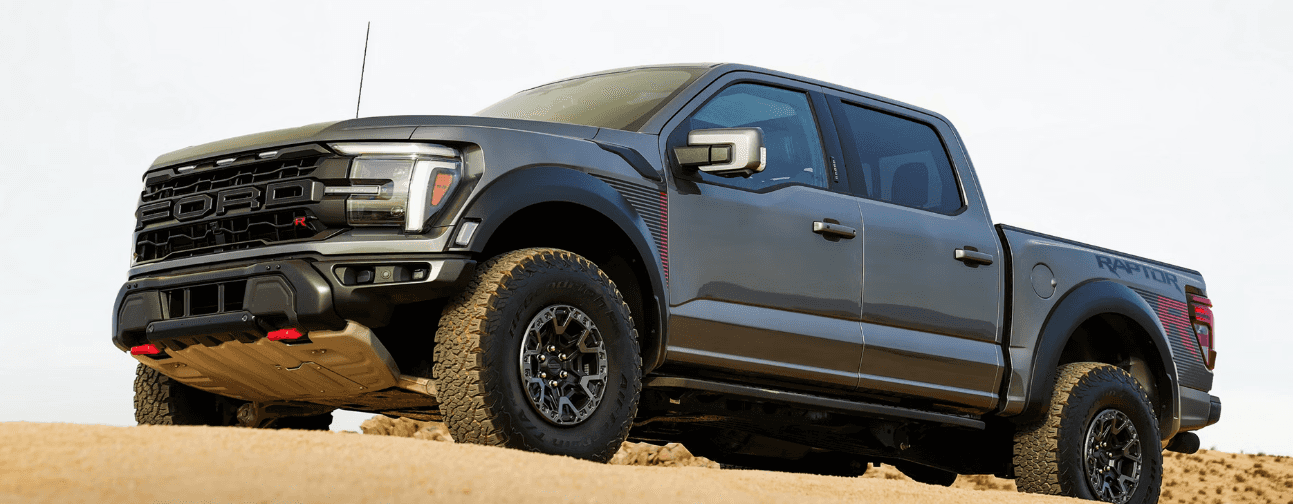
2025 Ford F-150 Engine Options: Five powerful engines range from the 290 HP base 3.3L Ti-VCT V6 to the 430 HP PowerBoost Hybrid with 570 lb-ft torque. The 3.5L EcoBoost V6 delivers maximum towing at 13,500 lbs, while the PowerBoost Hybrid achieves best-in-class fuel economy at 25/26 MPG. Choose the efficient 2.7L EcoBoost (325 HP) for daily driving, the traditional 5.0L V8 (400 HP) for proven reliability, or the PowerBoost for Pro Power Onboard capability up to 7.2 kW. All engines pair with a 10-speed automatic transmission at Rob Sight Ford in Kansas City.
Choosing the right engine for your truck can be tough. It’s important for daily drives and weekend fun. At Rob Sight Ford in Kansas City, we help you find the perfect match.
With so many options, picking the right engine can feel daunting. But, the new F-150 lineup has something for everyone. It’s designed to fit your lifestyle perfectly.
This truck comes with five main engine choices and special Raptor models. You can choose from a fuel-efficient V6 to powerful turbocharged engines and even hybrid options. The horsepower ranges from 290 HP to 430 HP, giving you the power you need.
Looking for good fuel economy for daily use or the highest towing capacity up to 13,500 pounds? We’ve got you covered. We’ll explain the engine specs and how they perform in real life.
In this guide, we’ll go over each engine option. We’ll compare their features and help you find the best one for you. Let’s see what makes each engine unique and which one is right for you.
Why Your Engine Choice Matters in the 2025 F150
Choosing the right engine for your 2025 F150 is key. It’s not just about power. It’s about finding the right fit for your needs. The engine you choose affects everything from fuel costs to hauling capacity.
In Kansas City, people use their trucks differently. Some drive on I-435 daily, while others haul equipment. The 2025 F150’s engines are designed to meet these needs.
Engine selection impacts four main areas. It affects fuel costs, towing capacity, payload, and driving experience. Each engine offers unique benefits.
Think about your daily use. Do you tow a boat or haul landscaping materials? Or maybe you just need a reliable truck. Each situation requires a specific engine.
| Engine Type | Best Use Case | Maximum Towing | Key Advantage |
|---|---|---|---|
| 2.7L EcoBoost V6 | Daily commuting with occasional hauling | 10,100 lbs | Excellent fuel economy |
| 3.5L EcoBoost V6 | Heavy-duty towing and work demands | 13,500 lbs | Maximum capability |
| 5.0L Ti-VCT V8 | Traditional power with V8 sound | 11,600 lbs | Proven reliability |
| 3.5L PowerBoost Hybrid | Balanced performance and efficiency | 12,700 lbs | Best fuel economy with power |
There’s no single best engine for the 2025 F150. Each engine excels in different situations. The 2.7L EcoBoost is great for commuters, while the 3.5L EcoBoost is perfect for heavy towing.
At Rob Sight Ford, we consider your needs before recommending an engine. We ask about your typical use and mileage. This helps us find the right engine for you.
Choosing the right engine is important. It affects your F150 ownership for years. The right engine brings satisfaction, while the wrong one might leave you wanting more.
Think carefully about your engine choice. Your 2025 F150 should meet your needs, whether for commuting or hauling. Understanding each engine’s performance helps you make a wise choice.
Complete 2025 Ford F150 Engine Options Available
We’re excited to show you the engine options for the 2025 Ford F150. This year, Ford offers a wide range of engines for everyone. Whether you need a truck for daily driving or heavy-duty work, we can help at Rob Sight Ford in Kansas City.
The 2025 Ford F150 has something for everyone. You can choose based on fuel economy, towing power, or V8 performance. Let’s dive into what makes this year’s lineup special and what each engine offers.
What’s New for 2025
Ford has made big improvements in its engines for 2025. The new engines have better power delivery and transmission tuning. These updates make the engines more responsive and refined.
The PowerBoost hybrid now has better battery management software. Ford has also improved the thermal management systems in all turbocharged engines. These changes help keep performance consistent, even in tough driving conditions.
There’s also new tech in engine monitoring through the FordPass app. You can track fuel use and get maintenance alerts more accurately. The 10-speed automatic transmission has been improved for faster shifts and better fuel economy.

Quick Overview of All Five Powertrains
Let’s look at the five main powertrains for the 2025 Ford F150. We’ve organized them to make it easy to compare. Each engine has its own strengths, depending on how you plan to use your truck.
| Engine | Horsepower | Torque | Best For |
|---|---|---|---|
| 3.3L Ti-VCT V6 | 290 HP | 265 lb-ft | Budget-conscious buyers and light-duty work |
| 2.7L EcoBoost V6 | 325 HP | 400 lb-ft | Daily driving with occasional towing needs |
| 3.5L EcoBoost V6 | 400 HP | 500 lb-ft | Heavy towing and maximum capability |
| 5.0L Ti-VCT V8 | 400 HP | 410 lb-ft | Traditional V8 enthusiasts |
| 3.5L PowerBoost Hybrid | 430 HP | 570 lb-ft | Best fuel economy with strong performance |
The base 3.3L V6 is great for those who don’t need a lot of power. It’s reliable for everyday tasks without the cost of turbocharged engines. It’s simple and dependable.
The 2.7L EcoBoost V6 is a good balance of efficiency and performance. Its twin-turbo design makes merging and passing easy. Many find it perfect for their lifestyle.
The 3.5L EcoBoost V6 is for serious capability. It has more torque than the V8 option. It’s ideal for contractors and weekend warriors who tow a lot.
The 5.0L V8 is for those who love the classic V8 sound and feel. It delivers power smoothly without turbo lag. It’s proven technology that many prefer.
The PowerBoost hybrid is Ford’s most advanced powertrain. It combines a twin-turbo V6 with an electric motor for great efficiency. It also powers tools and equipment.
Ford also offers high-performance variants for Raptor models. The Raptor has a 3.5L High-Output EcoBoost with 450 horsepower. The Raptor R has a supercharged 5.2L V8 with 720 horsepower.
All engines work well with Ford’s 10-speed automatic transmission. This advanced gearbox improves power delivery and fuel efficiency. It adapts to your driving style and maximizes each engine’s performance.
At Rob Sight Ford, we keep our Kansas City customers informed about these powertrains. Our team can explain how each engine performs in real-world conditions. We’re here to help you choose the best engine for your needs.
Breaking Down Each Engine: Specs and Performance
Let’s explore what makes each engine special and how they perform on the road. Knowing the Ford truck engine specs helps match the right engine to your needs. We’ll cover every option, from the base V6 to the high-tech hybrid, so you know what you’re getting.
Each engine offers something different. Some focus on saving fuel, while others aim for maximum towing power. We’ve organized the info for easy comparison, covering specs first, then who benefits most from each.
| Engine Option | Horsepower & Torque | Max Towing Capacity | Max Payload | Fuel Economy (City/Highway) |
|---|---|---|---|---|
| 3.3L Ti-VCT V6 | 290 HP / 265 lb-ft | 8,200 lbs | 2,100 lbs | Not EPA rated |
| 2.7L EcoBoost V6 | 325 HP / 400 lb-ft | 8,400 lbs | 1,785 lbs | 20 / 24 MPG |
| 3.5L EcoBoost V6 | 400 HP / 500 lb-ft | 13,500 lbs | 2,440 lbs | 18 / 24 MPG |
| 5.0L Ti-VCT V8 | 400 HP / 410 lb-ft | 12,900 lbs | 2,225 lbs | 17 / 24 MPG |
| 3.5L PowerBoost Hybrid | 430 HP / 570 lb-ft | 11,200 lbs | Not specified | 25 / 26 MPG |
3.3L Ti-VCT V6: The Capable Base Engine
The base engine is more than just an entry point. It’s a reliable workhorse for everyday truck tasks. This naturally aspirated V6 uses Twin Independent Variable Camshaft Timing technology for optimal power delivery.
Specifications and Horsepower
This 3.3-liter V6 produces 290 horsepower and 265 lb-ft of torque. It pairs with a 10-speed automatic transmission for ideal power band. The naturally aspirated design means no turbochargers, leading to simpler maintenance and lower costs.
The engine can tow up to 8,200 pounds when properly equipped. This is enough for most recreational trailers and light work applications. Maximum payload reaches 2,100 pounds, making it suitable for hauling materials and equipment.
Who This Engine Is Perfect For
This powertrain suits buyers who use their truck for personal transportation. It’s great for occasional hauling of home improvement supplies or towing a small boat. It’s also ideal for fleet buyers needing reliable, affordable transportation without heavy-duty demands.
Budget-conscious buyers appreciate the lower initial cost and reduced fuel expenses. The simplicity of a naturally aspirated engine means fewer repair issues. This makes it a smart choice for high-mileage drivers who prioritize dependability over maximum performance.
2.7L EcoBoost V6: The Efficient Workhorse
The smallest EcoBoost V6 F-150 option delivers impressive capability from a compact package. Twin turbochargers help this 2.7-liter engine punch well above its weight class. It represents the sweet spot between efficiency and performance for many truck buyers.
Specifications and Horsepower
This turbocharged V6 generates 325 horsepower and 400 lb-ft of torque. The twin-scroll turbochargers spool quickly, providing strong acceleration and responsive passing power. The 10-speed automatic transmission works seamlessly with the turbo boost for smooth power delivery.
Maximum towing capacity reaches 8,400 pounds with the right configuration. This is slightly better than the base V6 while delivering superior fuel economy. The engine achieves 20 MPG in city driving and 24 MPG on the highway, making it one of the most efficient options available.
Payload capacity tops out at 1,785 pounds. While not the highest in the lineup, this proves sufficient for most everyday hauling needs. The combination of decent payload and strong towing makes this engine incredibly versatile.
Who This Engine Is Perfect For
Daily commuters who occasionally tow find this engine ideal. The fuel economy saves real money over the course of a year, making it great for drivers with longer commutes. When weekend adventures require towing a camper or boat, the 2.7L handles the task confidently.
Small business owners benefit from the balanced capability. Contractors who haul tools and occasionally tow equipment trailers get excellent performance without excessive fuel costs. The responsive turbocharged power makes merging into Kansas City traffic effortless, even with a loaded bed.
3.5L EcoBoost V6: Maximum Power and Capability
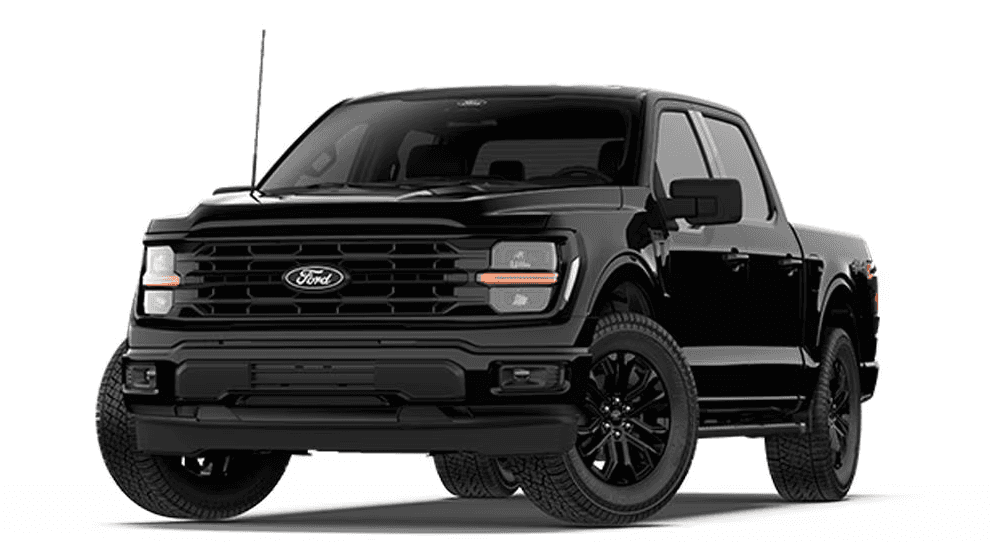
The larger EcoBoost V6 F-150 represents the pinnacle of turbocharged performance. This engine delivers class-leading capability that rivals and often surpasses traditional V8 powertrains. It’s the go-to choice for serious work truck users who demand maximum capability.
Specifications and Horsepower
This twin-turbocharged 3.5-liter V6 produces an impressive 400 horsepower and 500 lb-ft of torque. The substantial torque output arrives low in the RPM range, providing excellent pulling power from a stand-still. This characteristic makes it perfect for towing heavy loads and hauling substantial payloads.
The towing capacity reaches an industry-leading 13,500 pounds when properly configured. This beats many heavy-duty trucks from just a few years ago. Maximum payload capacity hits 2,440 pounds, the highest rating in the F150 lineup for 2025.
Fuel economy remains respectable at 18 MPG city and 24 MPG highway. These numbers prove impressive considering the massive capability this engine delivers. The advanced twin-turbo system provides power when needed while maintaining efficiency during normal driving.
Who This Engine Is Perfect For
Serious towers who regularly haul large travel trailers, horse trailers, or equipment trailers need this engine. The 13,500-pound rating provides confidence when navigating highways or climbing hills with heavy loads. Construction professionals who tow heavy equipment appreciate the extra capability margin.
Landscaping businesses that carry heavy materials and tow trailers simultaneously benefit from both the high payload and towing ratings. Weekend warriors with large toy haulers or fifth-wheel campers find this engine handles their recreational equipment effortlessly. Anyone who maxed out a smaller engine in the past will appreciate the additional power reserves.
5.0L Ti-VCT V8: Traditional V8 Power
The Ford F-150 V8 engines remain popular with traditionalists who love the character of eight cylinders. This naturally aspirated 5.0-liter V8 delivers smooth, linear power without turbochargers. It provides a driving experience many truck enthusiasts prefer.
Specifications and Horsepower
The 5.0-liter V8 produces 400 horsepower and 410 lb-ft of torque. Unlike turbocharged engines, power delivery feels immediate and predictable across all RPM ranges. The engine pairs with the same 10-speed automatic transmission found in other F150 models.
Maximum towing capacity reaches 12,900 pounds with proper equipment. While slightly less than the 3.5L EcoBoost, this engine handles most heavy-duty towing tasks with ease. Payload capacity tops out at 2,225 pounds, making it suitable for serious hauling work.
Fuel economy ratings come in at 17 MPG city and 24 MPG highway. The highway number matches turbocharged options, while city efficiency drops slightly. Many V8 enthusiasts consider this trade-off acceptable for the classic engine characteristics they prefer.
Who This Engine Is Perfect For
V8 loyalists who appreciate traditional engine design choose this powertrain. The naturally aspirated design means no turbo lag and linear throttle response. Some drivers simply prefer the sound and feel of a V8 engine under the hood.
Buyers who plan to keep their truck for many years value the simplicity of naturally aspirated design. Fewer complex components can mean reduced long-term maintenance concerns. Ranchers and rural drivers who appreciate proven, straightforward technology often gravitate toward Ford F-150 V8 engines.
This engine also appeals to towers who prefer higher RPM power delivery. While turbocharged engines provide low-end torque, the V8 maintains strong power at higher engine speeds. This characteristic proves beneficial when climbing mountain passes or maintaining speed on steep grades.
3.5L PowerBoost Hybrid: The Best of Both Worlds
The Ford F-150 PowerBoost Hybrid represents cutting-edge truck technology. This system combines gasoline power with electric assistance to deliver exceptional performance and efficiency. It’s the most advanced powertrain Ford offers in the F150 lineup.
Specifications and Horsepower
The Ford F-150 PowerBoost Hybrid generates 430 horsepower and an impressive 570 lb-ft of torque. That torque figure represents the highest in the entire F150 range. The combination of gas and electric power provides instant throttle response and smooth acceleration.
Maximum towing capacity reaches 11,200 pounds, which handles most recreational and work-related towing needs. The electric motor assists during initial acceleration, making towing feel effortless. Fuel economy leads the pack at 25 MPG city and 26 MPG highway, significantly better than any other option.
How the Hybrid System Works
The system starts with the proven 3.5L EcoBoost V6 as its foundation. An electric motor integrates directly into the 10-speed automatic transmission, adding power seamlessly. A 1.5 kWh lithium-ion battery pack stores energy recovered during braking and coasting.
During acceleration, both the gas engine and electric motor work together. This combined effort delivers exceptional torque and quick responses. At cruising speeds, the system automatically determines the most efficient power source, sometimes running on electricity alone for short periods.
The Pro Power Onboard system provides another major benefit. This built-in generator supplies up to 7.2 kilowatts of exportable power. You can run power tools at job sites or provide electricity during camping trips without a separate generator.
Who This Engine Is Perfect For
Environmentally conscious buyers who won’t sacrifice capability choose the Ford F-150 PowerBoost Hybrid. The superior fuel economy reduces both fuel costs and environmental impact. Over years of ownership, the fuel savings offset the higher initial purchase price.
Contractors who need mobile power appreciate the Pro Power Onboard system. Running tools, lights, and equipment directly from the truck eliminates the need for generators. The quiet operation proves valuable in residential neighborhoods or noise-sensitive job sites.
Long-distance commuters benefit most from the exceptional highway fuel economy. Driving 26 MPG in a full-size truck significantly reduces fuel expenses. The smooth, quiet operation makes highway miles more comfortable, while the instant electric torque makes city driving more responsive and enjoyable.
Towing Capacity and Payload: What Each Engine Can Handle
Every 2025 F150 engine has different towing and payload capacities. This matches various work and recreation needs. At Rob Sight Ford, we help Kansas City drivers find the right engine for their hauling needs.
These ratings depend on your truck’s setup. Cab style, bed length, drivetrain, and packages all affect towing and payload. We’ll explain what each engine offers and what “properly equipped” means.
Maximum Towing Ratings Compared
The F-150 towing capacity varies across engines. Your engine choice affects how much trailer weight you can pull. Here’s how each engine compares for maximum towing:
| Engine | Maximum Towing Capacity | Required Configuration |
|---|---|---|
| 3.5L EcoBoost V6 | 13,500 lbs | SuperCrew 4WD, 6.5′ box, Max Trailer Tow Package |
| 5.0L Ti-VCT V8 | 12,900 lbs | Optimal cab/bed combo with tow package |
| 3.5L PowerBoost Hybrid | 11,200 lbs | Proper drivetrain and package selection |
| 2.7L EcoBoost V6 | 8,400 lbs | Standard configuration with tow prep |
| High-Output 3.5L EcoBoost | 8,200 lbs | Raptor-specific setup |
The 3.5L EcoBoost leads in towing capability. But, to reach 13,500 pounds, you need specific parts. You’ll need the SuperCrew cab, four-wheel drive, the 6.5-foot bed, and the Max Trailer Tow Package.
Different engines excel at different tasks. The 5.0L V8 offers strong towing without turbochargers. The PowerBoost hybrid provides strong capability and better fuel economy than gas engines.
These ratings are for the best-case scenarios. Your actual towing capacity depends on your truck’s configuration, including options and accessories that add weight.
Payload Capacities by Engine Type
Payload capacity shows how much weight you can carry in the truck bed and cab. This matters for contractors, landscapers, and anyone hauling heavy materials. Here’s what each engine can handle:
- 3.5L EcoBoost V6: Up to 2,440 lbs (requires Regular Cab 2WD with 8′ box)
- 5.0L Ti-VCT V8: Up to 2,225 lbs (optimal configuration)
- 2.7L EcoBoost V6: Up to 1,785 lbs (standard setup)
- 3.5L PowerBoost Hybrid: Up to 1,750 lbs (battery weight reduces capacity)
- High-Output 3.5L EcoBoost: Up to 1,410 lbs (performance-focused design)
Maximum payload ratings need different setups than maximum towing. The highest payload numbers usually come from Regular Cab trucks with two-wheel drive and the longest bed. This setup minimizes vehicle weight while maximizing carrying capacity.
The hybrid system in the PowerBoost adds weight, reducing payload compared to the standard 3.5L EcoBoost. But, many Kansas City drivers find the fuel savings and onboard generator worth this trade-off.
Remember, passengers and cargo count toward payload. Your truck’s door jamb sticker shows the specific payload rating for your configuration. This accounts for all factory-installed options and equipment.
Real-World Towing Performance
Numbers on paper only tell part of the story. Understanding what you can actually tow helps you make the right choice. Here are common examples for Kansas City area drivers:
- Small boat trailers (3,000-5,000 lbs): Any F150 engine handles these easily
- Mid-size campers (6,000-8,000 lbs): 2.7L EcoBoost or larger recommended
- Large travel trailers (8,000-11,000 lbs): 5.0L V8, 3.5L EcoBoost, or PowerBoost needed
- Heavy equipment trailers (11,000-13,500 lbs): 3.5L EcoBoost or 5.0L V8 required
- Horse trailers with multiple horses (7,000-10,000 lbs): 3.5L EcoBoost, 5.0L V8, or PowerBoost ideal
How an engine performs while towing matters as much as maximum capacity. Turbocharged engines deliver strong low-end torque, making acceleration with heavy loads smoother. The 5.0L V8 provides immediate throttle response without turbo lag.
Hills and headwinds challenge any truck. The 3.5L EcoBoost’s twin turbos maintain power even when climbing grades. The PowerBoost hybrid uses electric motors to supplement the gas engine, providing smooth power delivery.
Fuel economy drops significantly when towing heavy loads. Expect 8-12 mpg when pulling near maximum capacity, regardless of engine choice. The PowerBoost offers the best fuel economy while towing, often gaining 1-2 mpg over comparable gas engines.
At Rob Sight Ford, we help you understand these capability differences. Our team can walk you through real-world scenarios based on what you plan to tow. We’ll help you find the engine that matches your actual needs, not just the biggest numbers on paper.
How to Choose the Perfect Engine for Your Lifestyle
Choosing the right engine for your F150 depends on your daily routines and driving habits. We’ve covered all the Ford truck engine specs in detail. Now, it’s time to match those specs to your needs. There’s no single “best” engine—only the best for you and your lifestyle.
Let’s look at the ideal engine choices for different lifestyles. These recommendations will help you find the perfect engine for your 2025 Ford F150.
Daily Driving Excellence
If your F150 is your daily driver, you need an engine that’s efficient yet capable for weekend adventures. The 2.7L EcoBoost V6 is a great choice for commuters.
This engine has 325 horsepower and gets 20 MPG in the city and 24 MPG on the highway. It saves money on gas but can tow up to 8,400 pounds for occasional trailer use.
The PowerBoost Hybrid is also worth considering for fuel savings. It gets 25 MPG city and 26 MPG highway and has 430 horsepower. The hybrid system makes city driving more efficient and quiet.
Here’s why these engines are great for daily commuting:
- Smooth, responsive acceleration for merging and passing
- Excellent fuel economy reduces your monthly fuel costs
- Adequate capability for weekend recreation and home projects
- Quiet, comfortable operation during rush hour traffic
- Lower emissions for environmentally conscious drivers
Work Truck Capability
If your F150 is a work tool, you need maximum capability. Contractors, landscapers, farmers, and anyone who hauls heavy loads should consider the 3.5L EcoBoost V6.
This engine has 400 horsepower and 500 lb-ft of torque. It offers the highest towing capacity at 13,500 pounds and the best payload rating at 2,440 pounds. It’s perfect for towing equipment trailers, hauling materials, or towing machinery regularly.
The 3.5L EcoBoost handles demanding work without strain. It maintains highway speeds while towing and has the power reserves needed for challenging job sites. Many commercial fleet operators choose this engine for its consistent performance.
Work truck priorities this engine satisfies:
- Maximum towing and hauling for heavy equipment
- Strong low-end torque for confident starts with loaded trailers
- Proven durability in commercial applications
- Power reserves for challenging terrain and conditions
- Professional-grade capability that matches your work demands
Value-Focused Selection
Smart buyers want the best combination of capability, efficiency, and initial cost. Two engines stand out for overall value depending on your preferences.
The 2.7L EcoBoost typically has the most accessible price point. It delivers well-rounded performance with 325 horsepower, respectable towing at 8,400 pounds, and good fuel economy. You’re not sacrificing much capability while keeping costs down.
The 5.0L Ti-VCT V8 offers compelling value for traditionalists who want V8 character. It provides 400 horsepower, 12,900 pounds of towing capacity, and that unmistakable V8 sound. The price premium over smaller engines is surprisingly modest, and you avoid turbo maintenance considerations.
Value considerations for these engines:
- Lower initial purchase price compared to premium powertrains
- Strong capability that handles most truck owner needs
- Proven reliability with straightforward maintenance
- Good resale value in the used truck market
- Balanced performance without paying for unused capability
Remember, your perfect engine choice is personal. It depends on your budget, how you’ll use your truck, and what matters most to you. We encourage you to visit Rob Sight Ford in Kansas City to discuss your specific situation with our team. Test driving different powertrains helps you feel the differences firsthand and makes your decision confident and informed.
Conclusion
The 2025 Ford F150 lineup offers five engine choices for every truck owner. You can pick based on fuel economy, towing strength, or comfort. There’s a powertrain for every lifestyle.
Many ask about a 2025 F-150 diesel option. Ford doesn’t offer diesel in the F150, but it’s in Super Duty trucks for heavy towing. The gasoline and hybrid engines in the F150 are very efficient and capable for most needs.
For those interested in an F-150 electric powertrain, the F-150 Lightning is Ford’s electric truck. Our team at Rob Sight Ford can help you choose between traditional F150 models and the Lightning.
Visit our Kansas City dealership to try out these engines. Our staff can set up test drives and answer your questions. They’ll help you find an F150 that fits your budget and needs. You can check our inventory online, call us, or come by.
At Rob Sight Ford, we aim to help Kansas City truck buyers make smart choices. Explore our F-150 trim levels and learn about safety features to see why the 2025 F150 is a top choice in full-size trucks.
Frequently Asked Questions
Which F150 engine has the best towing capacity?
The 3.5L EcoBoost V6 has the highest towing capacity at 13,500 pounds when properly equipped with the SuperCrew cab, four-wheel drive, 6.5-foot bed, and Max Trailer Tow Package. It also delivers the highest payload rating at 2,440 pounds, making it perfect for Kansas City contractors and landscapers who need maximum capability. Our team at Rob Sight Ford can help you configure your truck to achieve these ratings and ensure your F150 meets your specific towing and hauling needs.
How does the Ford F150 PowerBoost Hybrid work?
The PowerBoost Hybrid combines a 3.5L EcoBoost V6 engine with a 35-kilowatt electric motor integrated into the 10-speed transmission. This creates a seamless hybrid system that delivers 430 horsepower and 570 lb-ft of torque—the highest torque in the F-150 lineup. The electric motor assists during acceleration and provides regenerative braking to charge the 1.5 kWh battery pack. The system achieves 25/26 MPG while offering towing capability up to 11,200 pounds. It also includes Pro Power Onboard with up to 7.2 kilowatts of exportable power for tools and equipment, eliminating the need for separate generators at job sites.
What’s the most fuel-efficient F150 engine?
The 3.5L PowerBoost Hybrid delivers the best fuel economy at 25 MPG city and 26 MPG highway, representing a significant efficiency advantage over gasoline-only engines. Among non-hybrid options, the 2.7L EcoBoost leads at 20 city/24 highway MPG. For Kansas City drivers covering substantial annual mileage, these fuel economy differences translate to meaningful cost savings. Over 15,000 miles annually, the PowerBoost can save approximately $260 per year in fuel costs compared to the 2.7L EcoBoost. Visit our F-150 models overview to compare all engine options and calculate your potential savings.
Which F150 engine is best for daily commuting in Kansas City?
For daily commuting in Kansas City, we recommend the 2.7L EcoBoost V6 or the PowerBoost Hybrid. The 2.7L EcoBoost offers excellent fuel efficiency at 20/24 MPG with 325 horsepower and enough capability for occasional weekend towing. The PowerBoost Hybrid provides superior fuel economy at 25/26 MPG with smooth, quiet operation ideal for highway commutes on I-435 and I-70. The hybrid also includes Pro Power Onboard capability for added versatility. Visit Rob Sight Ford to test drive both options and experience how they handle Kansas City traffic and your daily driving needs.
0 comment(s) so far on 2026 Ford F150 Engine Options: Complete Guide