

Does the Ford F150 Qualify for Section 179?
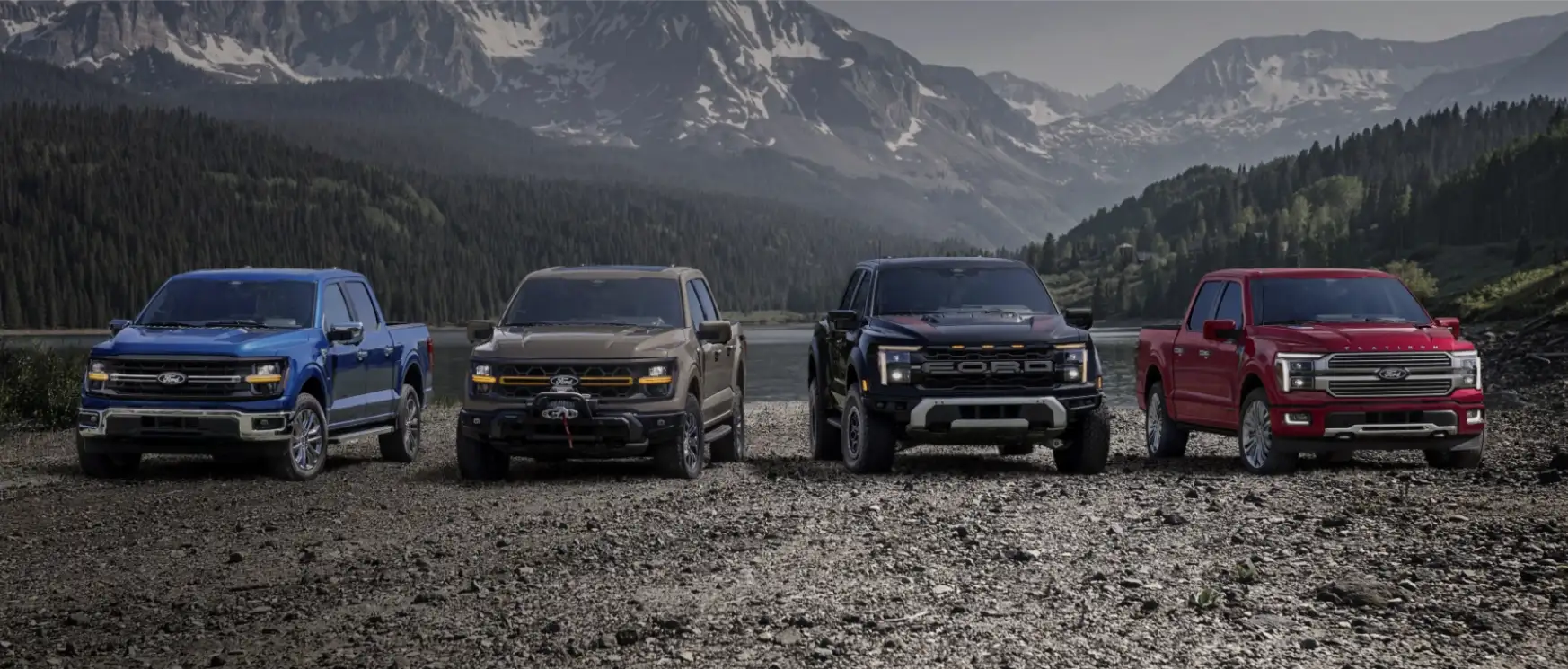
Section 179 F-150 Qualification: Yes, many Ford F-150 models qualify for Section 179 tax deduction. F-150 models with 6.5-foot or 8-foot beds and those with a Gross Vehicle Weight Rating (GVWR) over 6,000 pounds are eligible. This allows business owners to deduct up to $1,220,000 of the purchase price in the first tax year, providing significant tax savings for Kansas City entrepreneurs.
Did you know you can write off up to 100% of your vehicle purchase in one tax year? This tax benefit has saved thousands of entrepreneurs a lot of money on their equipment.
Yes, your F-150 can qualify for this tax deduction. Many Ford F-150 models meet the requirements. Business owners in Kansas City have found this opportunity very helpful.
F-150 models with 6.5-foot or 8-foot beds qualify under current tax laws. This means you can deduct the full purchase price from your business taxes. The savings can greatly improve your business’s financial health.
At Rob Sight Ford, we know how vital these tax benefits are for your business. Our team helps Kansas City business owners every day. We ensure you get the most from your truck purchase and find the perfect F-150 for your needs.
Understanding Section 179 Tax Deduction for Business Vehicles
The Section 179 tax rule changes how businesses buy vehicles. It lets them write off the full cost in one year, not over time. For those in Kansas City looking at a Ford F150 for work, this can save a lot on taxes.
At our dealership, we guide business owners through these tax benefits. The tax write-off for Ford F150s makes them great for work. Knowing about Section 179 helps when buying for your business.
What Section 179 Deduction Means for Your Business
Section 179 lets you deduct up to $1,220,000 of business equipment in one year. This includes vehicles that meet certain standards. You get the full deduction right away, not over years.
This rule helps a lot with cash flow. Claiming the Section 179 deduction for a Ford pickup means more money stays in your business. Many use these savings to buy more equipment or grow their business.
To get the full deduction, your business must show a profit. The deduction can’t be more than your business income for that year. But, any unused amount can carry over to future years when you’re profitable.
How Vehicle Purchases Qualify for Immediate Tax Write-Offs
To qualify, vehicles must meet IRS rules. They must be used for business at least 50% of the time. If personal use is more, you lose the deduction.
The vehicle title must be in your business name, not yours. This rule stops personal vehicles from being claimed as business expenses. Many miss this detail and lose their deduction.
The vehicle must be in service during the tax year you claim the deduction. Just buying the truck isn’t enough. You must start using it for business to qualify.
Current Deduction Limits and Business Requirements
The Section 179 deduction limit is $1,220,000 for qualifying purchases. This covers most business vehicle needs, even if you buy multiple trucks in one year. The phase-out starts at $3,050,000 in total purchases.
Business structure affects if you can claim Section 179. Sole proprietors, partnerships, LLCs, and S-corporations can. C-corporations have more restrictions and should talk to tax experts.
When you make the Section 179 election matters a lot. You must do it on your original tax return for that year. You can’t add it later with an amended return. We work with local tax pros to help our customers meet these deadlines.
Does Ford F150 Qualify for Section 179 Tax Benefits
Not all Ford F-150 trucks qualify for Section 179 benefits. But, many do meet IRS standards. We guide our customers at Rob Sight Ford to get the most tax benefits for their businesses.
Ford makes many F-150 trucks for business owners. They are heavy enough to meet IRS requirements. This makes them great for work needs and tax savings.

Weight Classifications That Meet IRS Standards
The IRS says vehicles must weigh over 6,000 pounds to get Section 179 deductions. Most Ford F-150 models meet this weight. The truck’s weight depends on its cab, bed, and engine.
Ford designs the F-150 for different business needs. So, many trucks are heavy enough for tax write-offs. The heavier the truck, the better the tax benefits.
When checking if a truck qualifies, look at its GVWR. GVWR is the truck’s weight plus its maximum payload. This total decides if it qualifies for Section 179.
Regular Cab, SuperCab, and SuperCrew Eligibility
Each F-150 cab style has different weights for tax benefits. Regular Cab models are light but can qualify with the right setup. SuperCab adds weight and space, helping qualify chances.
SuperCrew models are the heaviest. They have four doors and meet IRS requirements. They offer space and tax benefits for businesses.
SuperCrew is best for those needing space and tax benefits. These trucks are perfect for work and saving on taxes.
Specific F150 Trim Levels and Configurations That Qualify
Many F-150 trim levels and setups qualify for tax benefits. The F-150 Lightning electric truck meets the weight requirement in all versions. The F-150 Raptor also qualifies due to its strength and special parts.
Traditional F-150 models with long beds usually meet IRS standards. Longer beds add weight, making them good for tax benefits.
| F-150 Configuration | Typical GVWR Range | Section 179 Eligible | Best Business Applications |
|---|---|---|---|
| Regular Cab 6.5ft Bed | 6,100-6,500 lbs | Yes | Light commercial work |
| SuperCab 6.5ft Bed | 6,300-6,800 lbs | Yes | Small crew operations |
| SuperCrew 5.5ft Bed | 6,400-6,900 lbs | Yes | Family business use |
| F-150 Lightning (All) | 8,200-8,500 lbs | Yes | Eco-friendly businesses |
| F-150 Raptor | 6,200-6,600 lbs | Yes | Specialized work environments |
The table shows how different F-150 setups compare for Section 179 benefits. Most combinations are heavy enough. This gives business owners options for their needs and tax savings.
Section 179 Vehicle Weight Requirements for Ford Trucks
The IRS has specific weight rules for tax deductions on vehicles. Knowing these rules helps you choose the right Ford truck. Only business-use vehicles get these tax benefits.
Heavier trucks are often used for work, not just for fun. This rule helps the IRS know which vehicles are for business. It stops people from getting tax breaks for personal vehicles.
The Critical 6,000 Pound Gross Vehicle Weight Rating Rule
Vehicles over 6,000 pounds can get tax deductions right away. This rule is based on the vehicle’s GVWR. GVWR is the max weight your truck can carry when full.
This weight includes passengers, cargo, and fuel. The manufacturer tests and calculates this rating. You can find it on official documents and labels.
Here’s what adds to your F150’s GVWR:
- Base vehicle weight (curb weight)
- Maximum passenger capacity
- Full fuel tank weight
- Maximum cargo payload
- Towing equipment when installed
Which Ford F150 Models Exceed the Weight Threshold
Most F150s with longer beds are over 6,000 pounds. SuperCrew models with 6.5-foot beds usually qualify. Regular Cab trucks with 8-foot beds also meet this requirement.
These rules help bigger F150s get tax benefits. Crew cab models are heavier due to more seats and structure. Longer beds add weight with extra materials and space.
F150 models most likely to qualify include:
- SuperCrew with 6.5-foot bed
- Regular Cab with 8-foot bed
- SuperCab with 6.5-foot bed
- Models with heavy-duty towing packages
How to Find Your F150’s Official GVWR Rating
Your F150’s GVWR is in several places. Look for it on the driver’s side door jamb. This sticker also shows other weight specs.
You can also check your owner’s manual or registration documents. Our team at Rob Sight Ford can find your truck’s GVWR with the VIN. We have detailed specs for all F150s to help Kansas City customers.
Additional places to find GVWR information:
- Vehicle title and registration papers
- Insurance documentation
- Manufacturer’s window sticker
- Online VIN lookup tools
Business Use Requirements and Documentation for Your Ford F150
Getting the most out of your Ford F150 purchase means understanding the rules for Section 179 deductions. At Rob Sight Ford, we guide our customers through these important steps. This way, they can enjoy tax savings while following IRS rules.
The IRS wants your Ford F150 to be used for business at least 50% of the time. This rule affects how much you can deduct. It also decides if your vehicle gets the full Section 179 benefit.
Qualifying Business Activities and Usage Patterns
Your Ford F150 is eligible for Section 179 benefits if it’s used for business. For example, construction companies use these trucks to carry tools and materials. Landscaping businesses haul equipment and supplies in them.
Delivery services use F150s for transporting goods. Mobile service businesses turn these trucks into moving workshops. Real estate professionals use them to move clients and marketing materials.
It’s all about showing that your Ford F150 is essential for your business. Your use must directly help you earn income or run your business. If you use it for both business and personal reasons, you need to document the business use well.
Essential Record Keeping for IRS Compliance
Keeping detailed records is key to protecting your Section 179 deduction during IRS audits. Start by keeping a mileage log for every business trip. Include the date, destination, business purpose, and miles driven.
Also, document all business-related expenses like fuel, maintenance, and repairs. Keep receipts organized by date and category. Take photos or scans of important documents for digital backup.
Use a simple tracking system like spreadsheets or mobile apps. Many business owners find apps for tracking mileage helpful. The goal is to have accurate, consistent records that clearly show business use.
| Required Documentation | Frequency | Key Details |
|---|---|---|
| Mileage Logs | Every Trip | Date, destination, business purpose, miles |
| Expense Records | All Purchases | Receipts, invoices, payment records |
| Usage Summary | Monthly | Business vs. personal percentage breakdown |
| Business Justification | Annual | Written explanation of vehicle necessity |
Avoiding Personal Use Complications
Using your Ford F150 for personal reasons can hurt your Section 179 benefits. If it’s used for business only 70% of the time, your deduction drops by 30%. This reduction applies to the whole benefit amount.
Vehicles bought for personal use can’t get Section 179 benefits later. The IRS looks at your original purchase intent and use patterns. Changing a personal vehicle to business use doesn’t make it eligible.
Make sure to keep your Ford F150 strictly for business from the start. If you need a personal vehicle, buy a separate one. This makes record keeping easier and helps you get the most tax benefits.
Talk to a tax professional before buying your Ford F150. They can help you understand if it qualifies for Section 179 benefits. Proper planning and documentation are key from the beginning.
Maximizing Your Ford F150 Tax Benefits with Rob Sight Ford
Smart business owners in Kansas City know the value of a good dealership partner. At Rob Sight Ford, we do more than sell trucks. We help you get the most out of your Ford F150 by understanding tax benefits.
Our team knows every business is different. We work with you to find the right truck for your needs and tax savings. This makes us stand out in Kansas City.
We suggest starting your search in the fourth quarter. This gives us time to find your perfect truck and handle all the paperwork. Buying too close to year-end can limit your choices and cause stress.
We work with trusted tax advisors in Kansas City. They ensure you get the right advice for your situation. Always check with tax advisors to claim deductions correctly.
Conclusion: Why the Ford F-150 Sets a New Standard for Business Tax Benefits
Buying a Ford F150 can save you a lot of money on taxes for your Kansas City business. Many F150 models meet the 6,000-pound GVWR requirement. This opens the door to big tax deductions.
Remember, your truck must be heavy enough, used for business, and you need the right papers. Choosing the right F150 trim level can meet your business needs and save you on taxes.
Every business is different, and tax rules can change. It’s smart to talk to a tax advisor to understand your situation. They can help you use all the tax benefits you’re eligible for while following IRS rules.
At Rob Sight Ford, we get what Kansas City business owners need. Our team can show you which F150 models qualify for Section 179 benefits. We’re here to help you find the best truck for your business.
Want to see how a Ford F150 can help your business? Come visit us. We’ll show you how the right truck can save you money on taxes. Let’s find the perfect truck for you.
FAQ
Does the Ford F150 qualify for Section 179 tax deduction?
Yes, many Ford F150 models qualify for Section 179 tax benefits. They must have a GVWR over 6,000 pounds and be used mainly for business. Most F150 models, like Regular Cab, SuperCab, and SuperCrew, meet this requirement and can get the full deduction.
What is the current Section 179 deduction limit for Ford trucks?
For 2024, the Section 179 deduction limit is $1,220,000. This starts to phase out at $3,050,000 in total purchases. So, most businesses can deduct the full price of their Ford F150 in the year of purchase, not over several years.
Which Ford F150 models exceed the 6,000 pound weight requirement?
Most Ford F150 models, including the F150 Lightning and F150 Raptor, exceed the 6,000-pound GVWR. The exact weight varies by trim, engine, and configuration. Check your truck’s door jamb sticker or ask our Rob Sight Ford team to verify eligibility.
What business use requirements must I meet for the Ford F150 tax write-off?
Your Ford F150 must be used more than 50% for business to qualify for Section 179 deduction. This includes construction, landscaping, delivery services, and more. Keep detailed records of business use, like mileage logs and trip documentation.
0 comment(s) so far on Does the Ford F150 Qualify for Section 179?